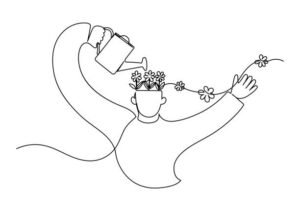
Forgetting Is The Form of Freedom: Ketu & Divine Detachment
Mrid > Blog > Astrology > Forgetting Is The Form of Freedom: Ketu & Divine Detachment
The Metaphysics of Forgetting: Ketu & Bhaqti Marga Explained
mridconsult@gmail.com
Forgetting is an art of freedom. In the spiritual and psychological symbolism of Vedic astrology, this truth is deeply embodied by Ketu, the shadow planet of detachment, karmic exhaustion, inner renunciation, and liberation. Ketu does not educate through acquisition; it teaches through removal. Unlike worldly forces that promise fulfillment by addition—more wealth, more recognition, more identity—Ketu grants wisdom through Surrender & Devotion. It dissolves attachment, strips false identity, and reveals that freedom begins when the soul learns what to release. In this sense, forgetting is not weakness of memory, but the sacred discipline of liberation.
Principle of Devine Detachment:
Psychologically, Ketu governs the part of the human mind that becomes weary of worldly repetition and disillusioned with superficial satisfactions. Under its influence, one may lose interest in achievements, praise, relationships, or ambitions that once seemed essential. This detachment can initially feel like emptiness, confusion, or emotional distance. Yet spiritually, it is the beginning of awakening. Ketu creates disenchantment not to punish, but to redirect consciousness inward. It asks the soul a profound question: Who are you when all borrowed identities are forgotten? Who remains when titles, wounds, successes, and social masks dissolve?
Bhaqti Yoga & Devotion: Bhaqti Marga of Surrender
The Bhakti Sutras, particularly those attributed to Narada, express a parallel truth through the path of devotion. Bhakti yoga is not merely ritualistic worship or emotional piety; it is the complete surrender of the ego into divine love. But true surrender requires forgetting the tyranny of self-centered consciousness. One cannot cling to ego and merge into devotion simultaneously. Therefore, bhakti begins where attachment ends. The devotee must forget the obsessive importance of “I,” “me,” and “mine” in order to awaken the heart to the Divine.
Ketu Teaches The Spiritual Power Of Letting Go:
Ketu’s spiritual function aligns perfectly with this teaching. It severs attachment to worldly identifications so the soul may become capable of higher love. In the language of bhakti, this is vairagya—sacred detachment.Without devotion, detachment may become cold, nihilistic, or isolating. But when guided by bhakti, Ketu’s detachment transforms into luminous renunciation: not hatred of the world, but transcendence of it through love of God. The seeker does not abandon life in bitterness; rather, the lower naturally falls away when the higher is tasted.
Narada Bhakti Sutra teaches that supreme devotion transcends desire, ego, and worldly expectation. The true lover of the Divine forgets social status, intellectual pride, and personal ambition in the sweetness of surrender. In this state, forgetting becomes spiritual purification. One forgets not truth, but illusion. One forgets not wisdom, but bondage. Ketu’s action is precisely this: it erases the inner structures that keep the ego at the center of consciousness.
To forget in this higher sense is also to release psychological burdens. Many remain imprisoned not by present circumstances but by memory—old pain, betrayal, humiliation, regret, and fear. The ego clings to suffering because remembered pain reinforces identity.
“This happened to me” becomes part of “who I am.” Ketu challenges this attachment to memory itself. It teaches that history need not remain identity. The wound may belong to the past without ruling the present.
Bhakti deepens this healing by replacing obsessive self-remembrance with divine remembrance. As love for the Divine grows, the mind naturally loosens its grip on lesser fixations.
Ketu-Centric Reflection – Power of Renunciation:
Thus, forgetting is an art because it requires consciousness, courage, and spiritual intelligence. It is not careless neglect but deliberate renunciation. It is the wisdom to know what must be remembered and what must be surrendered. In Ketu’s planetary symbolism and in the teachings of the Bhakti Sutras, forgetting is revealed as the doorway to freedom: the heart empties itself of illusion so it may be filled with devotion.
Freedom begins when the soul remembers the Divine more deeply than it remembers its wounds, and forgets everything that keeps it separate from love.
– hridaynkur sharma
Forgetting Is The Form of Freedom: A Ketu Centric Reflection Through Bhaqti Marga
Astrology reveals your inner planetary potentials, spirituality refines and harmonizes them, and psychology helps you understand how these energies influence your emotions and behavior. When the mind becomes calm, aware, and centered, your birth chart evolves from a fixed destiny into a guide for conscious self-development.